
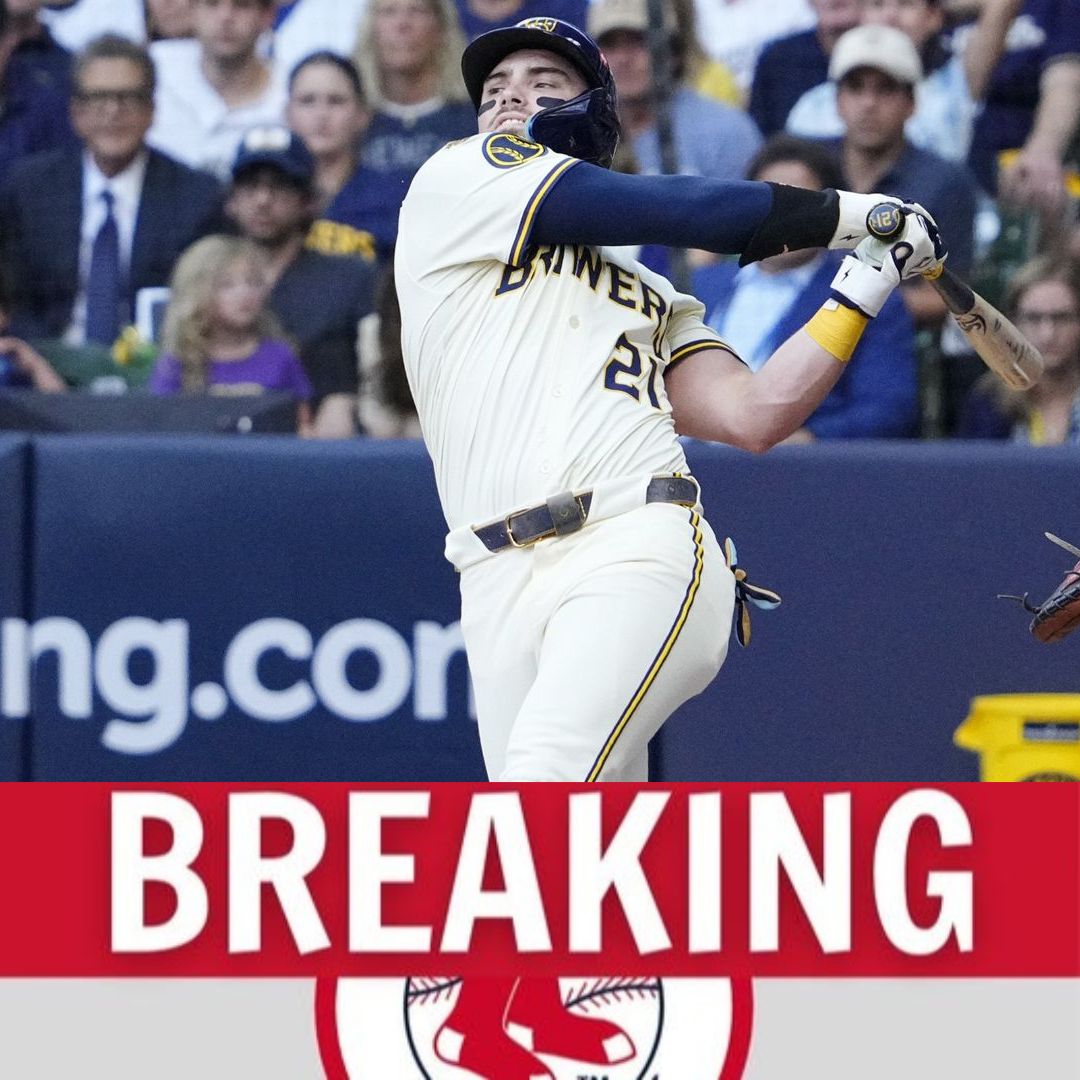
How ESPN Graded Red Sox's 'Interesting' Caleb Durbin Trade

The Boston Red Sox made an interesting move on Monday, acquiring Caleb Durbin from the Milwaukee Brewers in a trade that also saw the Red Sox receive Andruw Monasterio, Anthony Seigler, and a compensatory draft pick. In return, the Brewers received infielder David Hamilton and left-handed pitchers Kyle Harrison and Shane Drohan. While this trade may not be the most headline-grabbing of the offseason, ESPN's David Schoenfield still gave it a strong grade, calling it an "interesting deal" with a positive outlook for the Red Sox's future.
ESPN's 'A-' Grade: Analyzing the Red Sox's Strategic Move
In his analysis, Schoenfield awarded the Red Sox an "A-" for their acquisition of Durbin, highlighting the cost-effective nature of the trade. With Durbin poised to enter his second MLB season at just 25 years old, the Red Sox gain a player who offers significant upside at a fraction of the salary cost compared to other players of similar value.
Schoenfield pointed out that while Durbin may not fully replicate the value of a player like Alex Bregman — Durbin's projected WAR (Wins Above Replacement) is about one win less than Bregman's — the Red Sox are saving $30 million in salary and securing five years of team control. For a front office in today's modern baseball world, that kind of financial flexibility is a huge win.
Durbin's Value and Fit for the Red Sox
While the trade may not have made a splash on the national scene, Durbin's potential is evident. Last season, Durbin posted a 2.6 fWAR as a rookie, which is a solid showing for a player still getting his footing in the big leagues. He also boasted a .334 on-base percentage, showing he has a good eye at the plate. Additionally, his five defensive runs saved (DRS) at third base highlight his strong glove, which could be an asset for Boston's infield.
One of the key factors in this trade is how Durbin fits into the Red Sox lineup. Schoenfield believes Durbin has a "higher floor" than top prospect Marcelo Mayer and adds balance to the team as a right-handed hitter. Durbin's ability to provide stability at multiple infield spots, including third base and second base, gives Boston flexibility in managing its roster. This is crucial, as it allows the Red Sox to keep Mayer at his preferred position while still upgrading their infield depth.
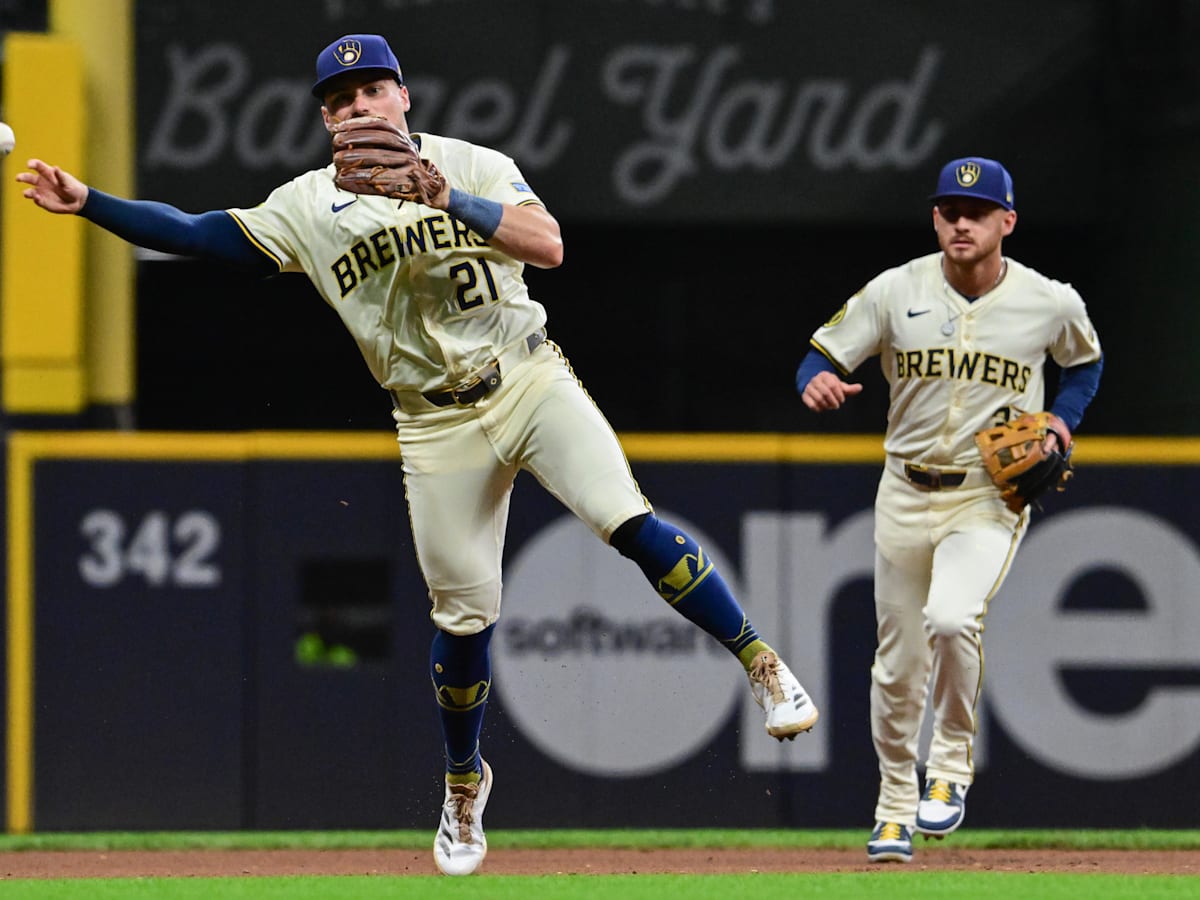
Monasterio and Seigler: More Than Just Depth
In addition to Durbin, the Red Sox also acquired Andruw Monasterio and Anthony Seigler, both of whom bring further value to the team. Monasterio is a versatile utility infielder who has had success against left-handed pitching, posting a .255/.352/.375 slash line over his career. His presence will provide manager Alex Cora with another right-handed option off the bench, helping to balance the lineup and giving the Red Sox greater flexibility throughout the season.
Seigler, a rare catcher/infielder hybrid, posted impressive numbers in Triple-A, including a .414 on-base percentage and an .892 OPS. His versatility and ability to hit from the right side make him an intriguing option for Boston, and his ability to contribute in multiple positions adds another layer to the team's depth.
The Trade's Impact on Boston's Roster
What stands out about this trade is that the Red Sox did not give up any major assets expected to contribute in 2026. Both Kyle Harrison and Shane Drohan were not highly ranked on Boston's pitching depth chart, so parting ways with them does not create any immediate gaps for the team. Meanwhile, the acquisition of Durbin and his supporting players strengthens the Red Sox's lineup without compromising the team's long-term pitching prospects.

Schoenfield noted that the Red Sox's pitching depth played a critical role in this trade. By utilizing their surplus of pitching prospects, Boston was able to secure an upgrade in the infield without losing anyone who was expected to be a key contributor in 2026. This is a smart move for a team looking to compete while maintaining flexibility and depth in both their pitching staff and everyday lineup.
The Red Sox's Continued Pursuit of Balance and Depth
The acquisition of Durbin, along with Monasterio and Seigler, aligns with the Red Sox's broader strategy of building a balanced and deep roster. With a mix of established stars and younger players, Boston is aiming to stay competitive while also ensuring they have the depth to weather any potential injuries or slumps throughout the season.
Importantly, Schoenfield pointed out that the Red Sox still retain all four of their outfielders, which presents a "good kind of problem" to have. Depth in the outfield, combined with the added flexibility in the infield, positions Boston to handle various lineup combinations and tactical challenges that may arise over the course of the 2026 season.
Conclusion: A Shrewd, Strategic Move for the Red Sox
While this trade may not have created the same buzz as some of the other high-profile moves of the offseason, it is a strategic and well-executed deal that strengthens the Red Sox's roster. Adding Caleb Durbin gives Boston a cost-effective, versatile player who can provide immediate value in the infield and offer potential long-term upside. Furthermore, the Red Sox didn't sacrifice any key players or disrupt their pitching depth in the process.
Schoenfield's "A-" grade reflects the fact that, while Durbin may not be an immediate star, he brings balance, depth, and a solid floor to the team. In a season where every advantage counts, this move could prove to be a savvy one for the Red Sox as they aim to compete for a playoff spot in 2026. Whether or not Durbin becomes a central figure in the team's success, this trade ensures that Boston has the pieces in place to make a legitimate run at the postseason.